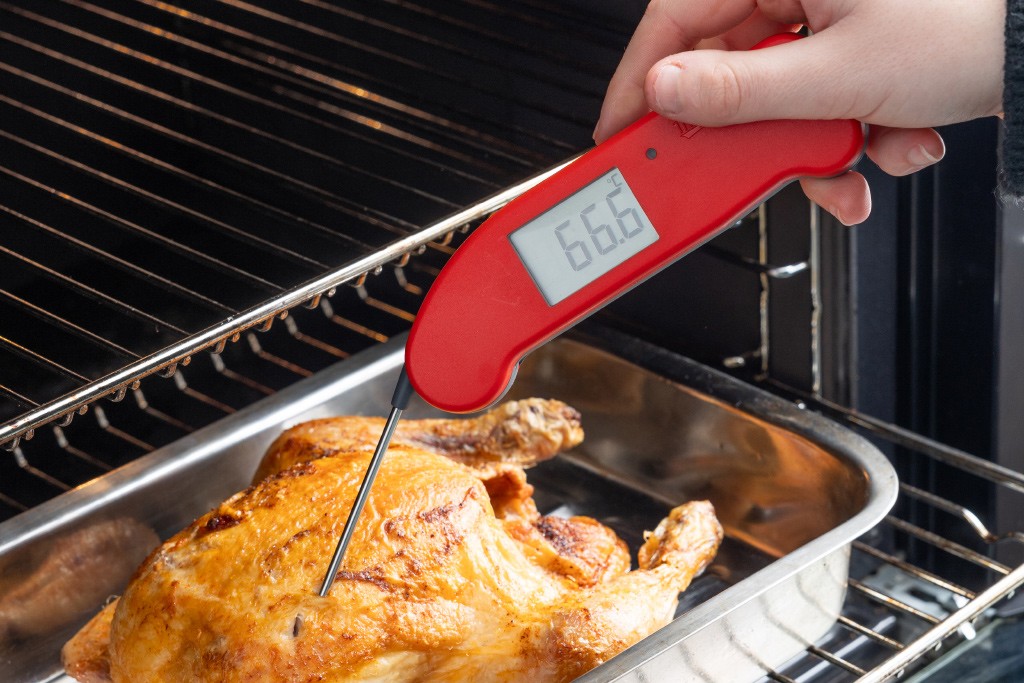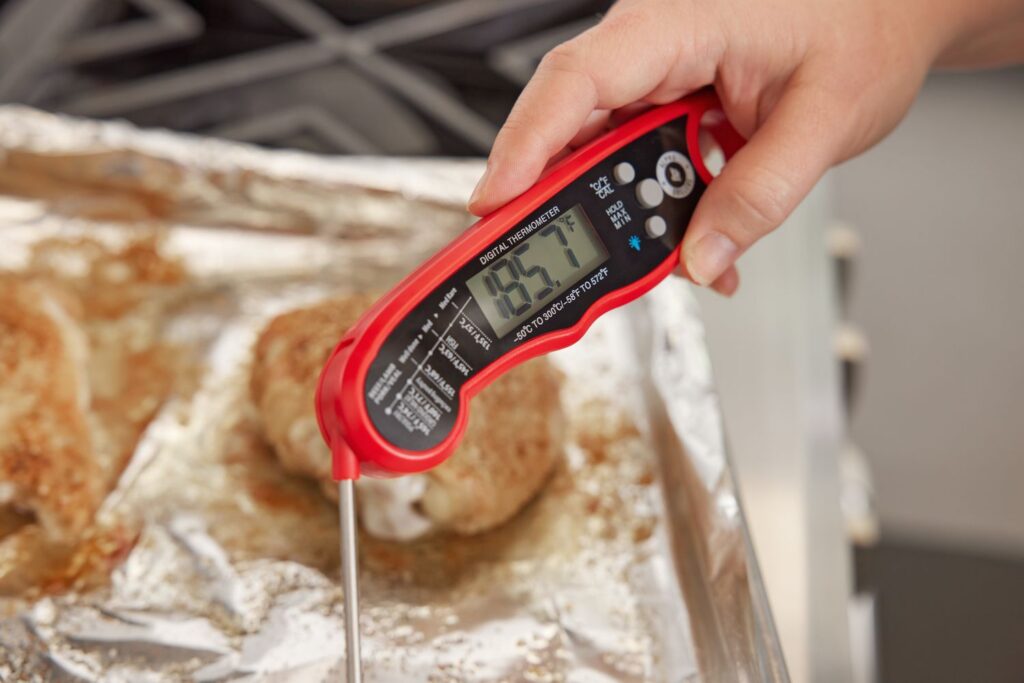
Wireless Monitoring: The Future of Smart Food Safety Operations

Smart Food Safety

What is wireless monitoring in food safety operations?

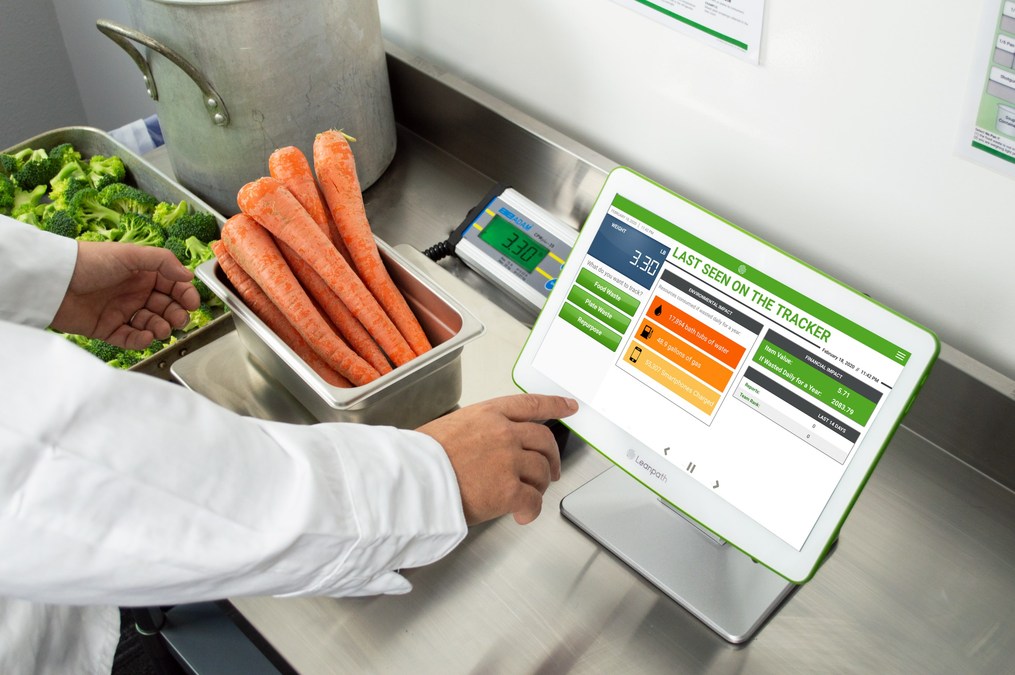
Wireless monitoring uses connected sensors to track conditions like temperature, humidity, and door activity in real time. The sensors send readings automatically to a dashboard, usually via Wi-Fi, cellular, or a gateway network.

For food safety teams, food safety software programs ensure consistency by capturing evidence continuously, storing it securely, and making it easier to retrieve during audits or investigations.
Smart Food Safety

Why are manual temperature logs no longer enough?

Manual logs are easy to miss, easy to backfill, and often taken at the least risky moment of the day. Even when staff are diligent, spot checks cannot show what happened overnight, during deliveries, or between shifts.

Wireless monitoring fills that gap by capturing the full temperature history, which helps operations identify recurring issues like compressor cycling problems, frequent door openings, or thaw events.

How does wireless monitoring reduce food safety risk?

It reduces risk by shortening the time between a deviation and a response. When thresholds are breached, the system can alert staff immediately so they can move product, close a door, adjust set points, or call maintenance before food enters the danger zone for too long.

It also improves root cause analysis. If an incident occurs, teams can trace exactly when temperatures drifted, how long it lasted, and whether corrective actions brought conditions back under control.

What does “real-time alerts” actually look like in practice?

Real-time alerts typically arrive via SMS, email, push notification, or an on-screen alarm in a control room. The best setups route alerts by location and responsibility so the right person is notified, not everyone.

They also support escalation. If the first contact does not acknowledge the alert in a set time window, it can automatically notify a manager or a different team member.

Which areas benefit most from wireless monitoring?

Cold storage is usually the first priority: walk-ins, reach-ins, blast chillers, and freezers. These units store high-risk items and can fail silently for hours.

Hot holding and cook-chill workflows also benefit, especially where proof of control matters. Finally, distribution and last-mile transport gain value when teams need evidence that product stayed within limits from dock to destination.

How does wireless monitoring support HACCP and audit readiness?

It supports HACCP by strengthening monitoring and verification. Continuous records make it easier to demonstrate that critical limits were maintained and that deviations triggered corrective action.

For audits, it reduces the scramble. Instead of searching for paper logs, teams can filter by date, unit, and location, then export reports that show readings, alarms, acknowledgments, and corrective notes in one place.

Smart Food Safety

What should teams look for when choosing a wireless monitoring system?

They should start with sensor accuracy, calibration options, and placement flexibility. A system that cannot be validated or maintained will create compliance headaches later.

Next comes connectivity reliability and offline buffering. Good systems keep collecting data during outages and upload automatically when connections return. They should also offer clear permissions, tamper-evident logs, and easy report exports that match how auditors ask for evidence.

What are the most common implementation mistakes?

A frequent mistake is deploying sensors without defining alarm thresholds and ownership. If nobody is responsible for responding, alerts become noise.

Another is poor sensor placement. Probes placed near fans, doors, or warm spots can misrepresent product conditions. Teams also underestimate change management, especially training staff to acknowledge alarms, document corrective actions, and use trends to prevent repeat issues.

How will wireless monitoring shape the future of smart food safety?

The future is less about collecting data and more about using it intelligently. As datasets grow, systems will help teams spot drift earlier, predict failures, and prioritize maintenance before breakdowns happen.

Wireless monitoring also enables standardization across multi-site operations. When every location uses the same thresholds, alert workflows, and reporting, leadership can compare performance fairly, reduce waste, and strengthen brand-wide compliance without adding administrative burden.

Related : Why Every Commercial Kitchen Needs a Reliable Food Temperature Probe

Smart Food Safety

FAQs (Frequently Asked Questions)

What is wireless monitoring in food safety operations?

Wireless monitoring uses connected sensors to continuously track conditions such as temperature, humidity, and door activity in real time. These sensors automatically send readings to a dashboard via Wi-Fi, cellular, or gateway networks, providing consistent and secure evidence that simplifies audits and investigations.

Why are manual temperature logs no longer sufficient for food safety?

Manual temperature logs are prone to being missed or backfilled and often capture data only during low-risk times. They fail to provide a complete temperature history, especially overnight or between shifts. Wireless monitoring fills this gap by offering continuous data, helping identify recurring issues like compressor problems or thaw events.

How does wireless monitoring reduce food safety risks?

Wireless monitoring reduces risk by enabling immediate alerts when temperature or other thresholds are breached. This allows staff to respond quickly—such as moving products or calling maintenance—before food enters the danger zone. It also supports root cause analysis by detailing when deviations occurred and how corrective actions restored safe conditions.

What do real-time alerts look like in wireless food safety monitoring systems?

Real-time alerts commonly arrive via SMS, email, push notifications, or on-screen alarms. Advanced systems route alerts based on location and responsibility to notify the right person and support escalation protocols if initial contacts don’t acknowledge them promptly, ensuring timely responses to critical issues.

Which areas of food operations benefit most from wireless monitoring?

Cold storage units like walk-ins, reach-ins, blast chillers, and freezers benefit greatly due to their high-risk contents and potential silent failures. Hot holding and cook-chill workflows also gain value for proof of control. Additionally, distribution and last-mile transport benefit by providing evidence that products remained within safe limits throughout transit.

How does wireless monitoring support HACCP compliance and audit readiness?

Wireless monitoring strengthens HACCP programs by providing continuous records that demonstrate maintenance of critical limits and prompt corrective actions during deviations. For audits, it streamlines preparation by allowing teams to filter data by date, unit, or location and export comprehensive reports showing readings, alarms, acknowledgments, and corrective notes all in one place.
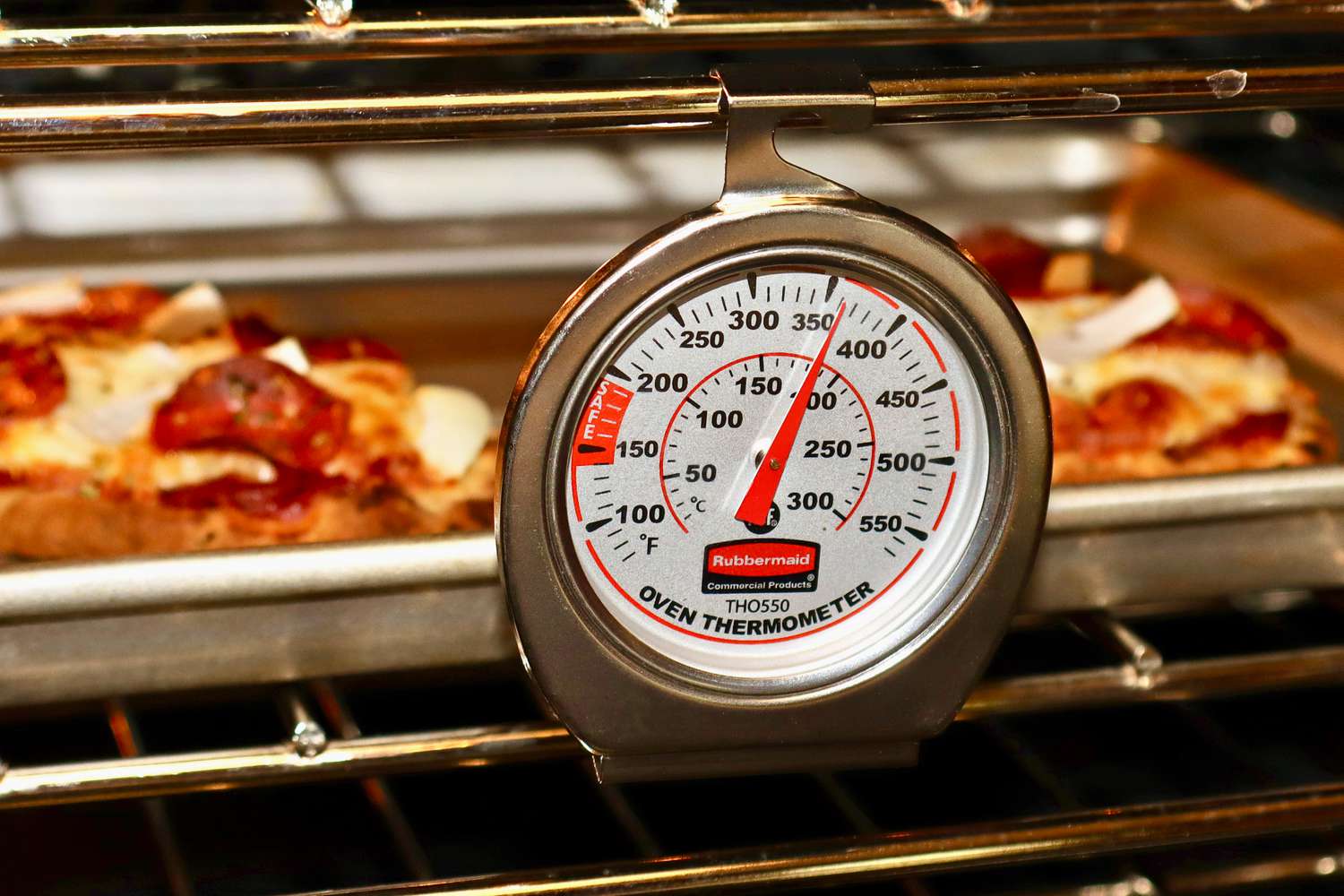
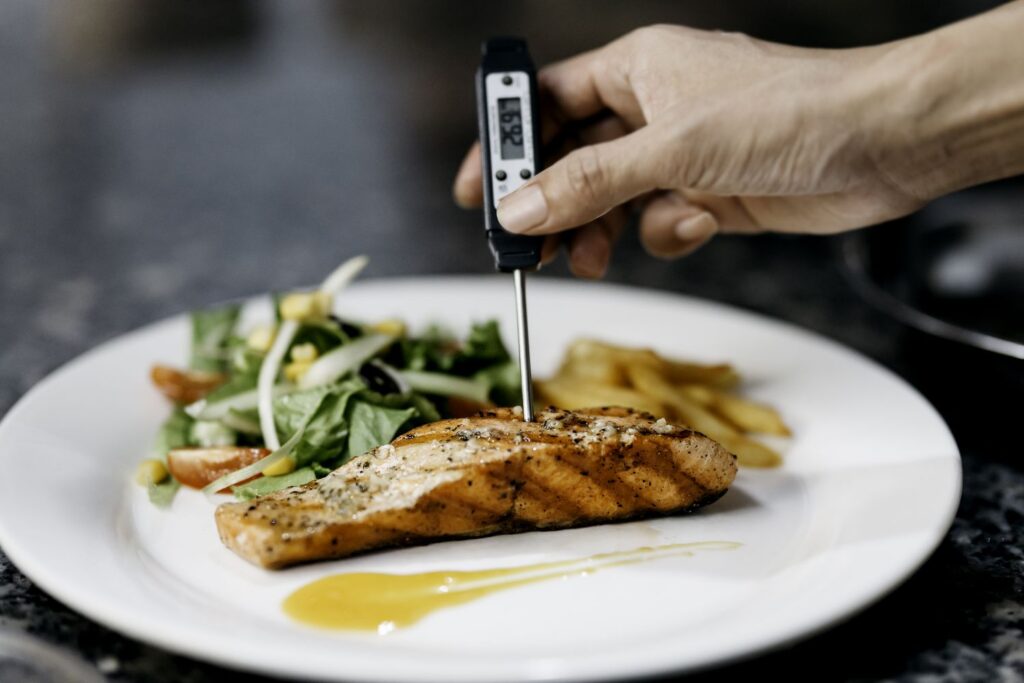
Why Every Commercial Kitchen Needs a Reliable Food Temperature Probe

Temperature Probe

Many kitchens already “check temps,” yet inconsistent tools and rushed habits create risk. A dependable probe, used consistently, turns temperature checks into a simple, repeatable system the whole team can follow.

What makes a food temperature probe essential in a commercial kitchen?

A temperature probe gives an objective yes or no answer to the question that matters: is the food safe and properly cooked? It removes guesswork from visual cues like color, texture, or cooking time, which vary with equipment, portion size, and workflow.

It also supports consistency. A temperature monitoring device helps ensure the same doneness and safety standards across every shift, station, and menu item, even when different cooks are working the line.

Temperature Probe

How does a reliable probe reduce food safety risk?

Most foodborne illness risk in kitchens comes from time and temperature control. A reliable probe helps teams confirm that poultry, ground meats, reheated foods, and hot holding are actually reaching safe temperatures, not just “seeming” hot enough.

It also helps prevent partial cooking errors. If the center of a thick protein is under temp, the probe catches it early, before the plate reaches a customer or a batch gets mixed into a larger prep container.

Why is “close enough” temperature checking a costly habit?

“Close enough” invites rework, waste, and complaints. Overcooking to compensate for uncertainty dries out proteins, shrinks yield, and hurts food quality, which shows up in reviews and returns.

Undercooking is worse. It can trigger comped meals, discarded batches, incident reports, and reputational damage. A dependable probe is a low-cost tool that helps avoid high-cost outcomes.

How does a probe help with health inspections and compliance?

Inspectors want proof that a kitchen understands and controls critical limits. A reliable probe supports that expectation by enabling consistent checks during cooking, cooling, reheating, and holding.

When kitchens pair probe use with simple temperature logs, they can show a clear routine rather than scrambling to answer questions. That creates a smoother inspection and less disruption to service.

What role does a probe play in consistent quality and doneness?

Temperature is the most repeatable way to hit target doneness, especially for proteins that vary in thickness. A probe helps cooks deliver a medium burger that is actually medium, not a guess based on timing.

It also improves batch cooking. When teams roast trays, cook soups, or finish sous vide items, a quick probe check confirms the food is where it needs to be before it moves to holding or plating.

Temperature Probe

Where do commercial kitchens benefit most from probe checks?

They benefit most at the points where mistakes are common: receiving, cooking, cooling, reheating, and hot or cold holding. A probe confirms deliveries are arriving at safe temperatures, not just “cold to the touch.”

It also prevents unsafe cooling. Large pots, deep pans, and dense foods can stay warm in the center for hours. A probe helps teams verify cooling progress instead of relying on the clock alone. Learn more about : Wireless Monitoring: The Future of Smart Food Safety Operations

What features should a commercial kitchen look for in a temperature probe?

They should prioritize accuracy, speed, and durability. A fast response time matters during rush, because a slow probe gets skipped. A sturdy build matters because tools get dropped, washed, and handled with gloves.

They should also consider easy-to-read displays and simple controls. If the probe is frustrating to use, the team will avoid it. If it is straightforward, it becomes part of the routine.

How can teams build probe use into daily kitchen workflow?

They can make it standard at specific steps, not optional. For example, they can require a temperature check for every poultry batch, every reheated item, and every hot holding unit at set times.

They can also assign ownership. When each station knows what they check and when, probe use stops being “someone else’s job.” Short training and clear targets posted near stations help keep it consistent.

What is the bottom line on investing in a reliable food temperature probe?

A reliable food temperature probe protects customers, reduces waste, supports compliance, and improves consistency. It is one of the simplest ways a commercial kitchen can turn food safety into a repeatable habit instead of a last-minute scramble.

When kitchens treat temperature as a standard, not a suggestion, they run smoother and safer, even on the busiest services.

Temperature Probe

FAQs (Frequently Asked Questions)

Why is a food temperature probe essential in a busy commercial kitchen?

A food temperature probe provides an objective yes or no answer to whether food is safe and properly cooked, removing guesswork from unreliable visual cues like color or texture. It ensures consistency across different cooks, shifts, and menu items by helping maintain the same doneness and safety standards.

How does using a reliable temperature probe reduce food safety risks?

A reliable probe helps teams confirm that foods like poultry, ground meats, reheated items, and hot holding units reach safe temperatures, preventing time and temperature control issues that cause most foodborne illnesses. It also detects undercooked centers in thick proteins early, avoiding unsafe servings or batch contamination.

What are the consequences of ‘close enough’ temperature checking habits in kitchens?

Accepting ‘close enough’ temperatures leads to costly mistakes such as rework, waste, and customer complaints. Overcooking to compensate causes dry proteins and yield loss, while undercooking risks comped meals, discarded batches, incident reports, and damage to reputation. A dependable probe is a low-cost tool that prevents these high-cost outcomes.

How does consistent probe use support health inspections and regulatory compliance?

Inspectors expect proof that kitchens control critical temperature limits. Using a reliable probe consistently during cooking, cooling, reheating, and holding—paired with simple temperature logs—demonstrates routine compliance. This transparency facilitates smoother inspections with less disruption to service.

In what ways does a temperature probe improve food quality and consistency?

Temperature measurement is the most repeatable method to achieve target doneness, especially for variable thickness proteins. A probe enables cooks to deliver accurate doneness levels (e.g., medium burgers) rather than guessing by time alone. It also verifies batch cooking progress before holding or plating to maintain consistent quality.

Where should commercial kitchens focus their temperature probe checks for maximum safety benefit?

Kitchens benefit most by using probes at critical control points prone to mistakes: receiving deliveries (to confirm safe arrival temperatures), cooking, cooling (to prevent unsafe warm centers), reheating, and hot or cold holding. Probes help verify safe temperatures beyond subjective assessments like ‘cold to the touch’ or relying solely on timing.