

Digital HACCP Software: The Future of Food Safety Compliance

Digital HACCP Software: The Future of Food Safety Compliance

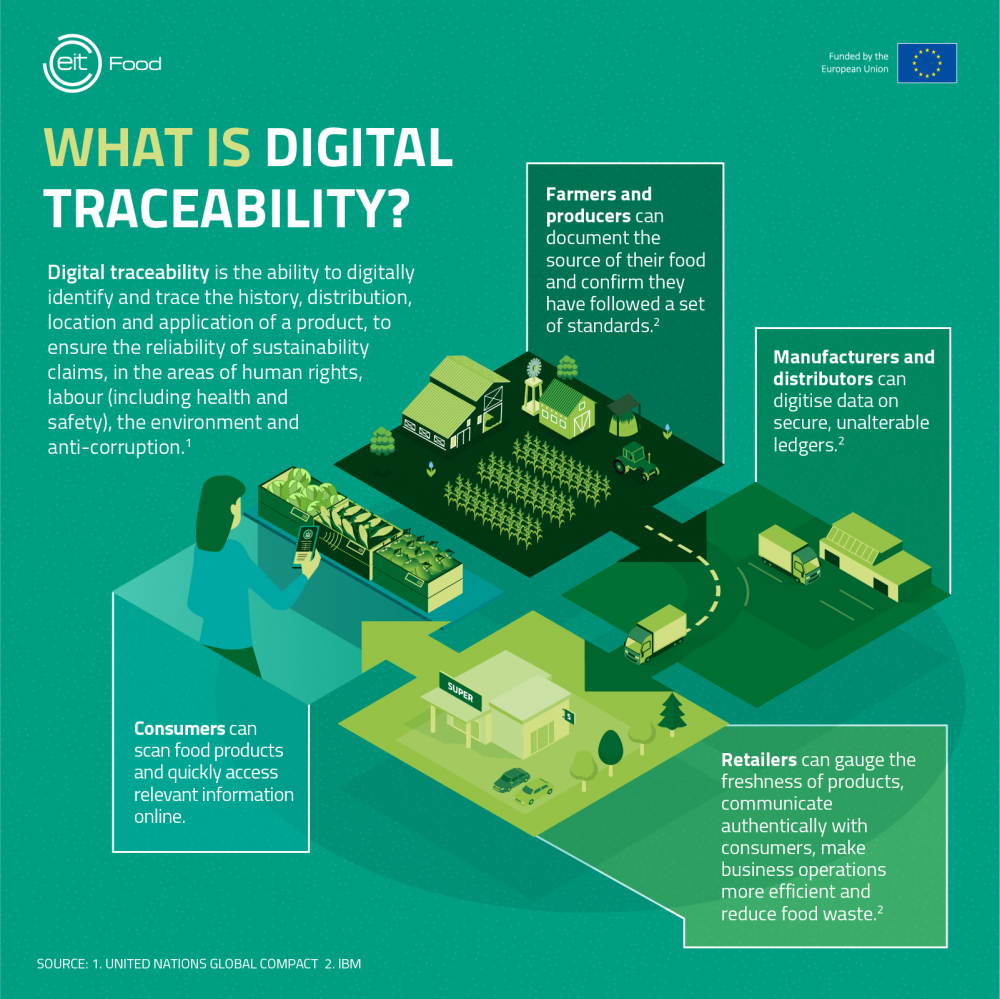
Digital HACCP software matters most in busy operations where multiple sites, shifts, and suppliers create constant risk. It also helps leadership see trends early, before a minor deviation turns into waste, a recall, or a failed audit.

What is digital HACCP software, and what does it replace?

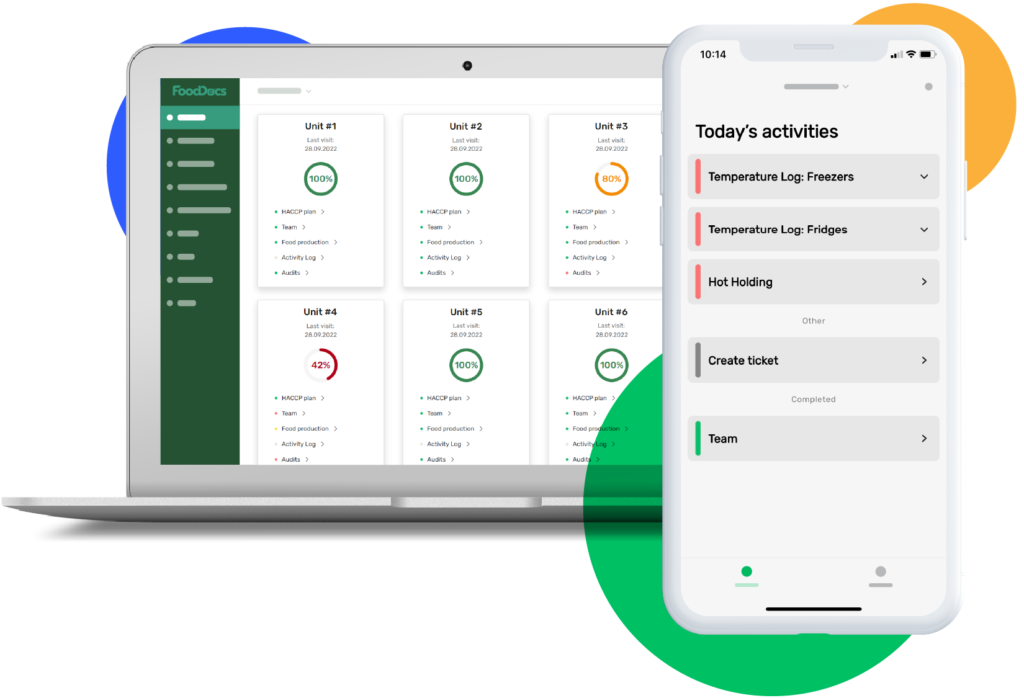
Digital HACCP software is a platform that digitises a HACCP plan and the daily records that support it. It replaces paper logs, spreadsheets, clipboards, and manual sign-offs with structured workflows, automatic prompts, and searchable evidence.

Instead of filing pages for temperatures, cleaning checks, allergen controls, and CCP monitoring, teams record them on phones, tablets, or fixed terminals. The software stores time stamps, user IDs, and supporting details in one place.

Why are paper HACCP records becoming a liability?

Paper systems fail when records are missing, illegible, backfilled, or stored in the wrong folder. Those gaps often appear during audits, customer visits, or investigations when evidence is needed quickly.

Paper also hides patterns. If a cooler drifts out of range twice a week, a binder rarely makes that obvious. Digital tools surface repeat deviations, late checks, and recurring corrective actions so managers can fix root causes sooner.
Digital HACCP Software: The Future of Food Safety Compliance

How does digital HACCP software improve day-to-day compliance?

It improves compliance by guiding staff through the right checks at the right time. Tasks can be scheduled by shift, role, site, or area, with reminders and escalation when something is overdue.

It also standardises how data is captured. Staff select from approved options, attach photos when required, and record corrective actions in the same format every time. That consistency reduces “creative logging” and makes reviews faster.

Which HACCP records can be digitised?

Most routine food safety records can be digitised without changing the HACCP principles. Common examples include:

  • CCP monitoring logs (cook, chill, metal detection, pH, aw, sieves)
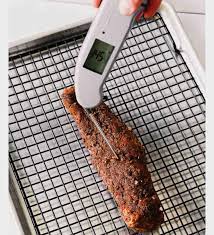
  • Temperature checks (cold rooms, freezers, dispatch, display)
  • Calibration and verification records
  • Cleaning schedules and hygiene inspections
  • Allergen controls and label checks
  • Receiving checks and supplier approvals
  • Corrective actions and non-conformance reports
  • Training sign-offs and competency checks

The best systems let teams map records directly to hazards, CCPs, critical limits, and verification steps.

What features actually matter in a digital HACCP platform?

The most important features are the ones that prevent mistakes and make evidence easy to retrieve. Strong platforms usually include configurable forms, task scheduling, alerts, permissions, and audit-ready reporting.

Offline mode also matters in production areas with weak signal. So does simple UX, because a complicated interface pushes staff back to workarounds. Integrations can help too, especially for temperature sensors and ERP or QA systems.

How do automated sensors and alerts change HACCP monitoring?

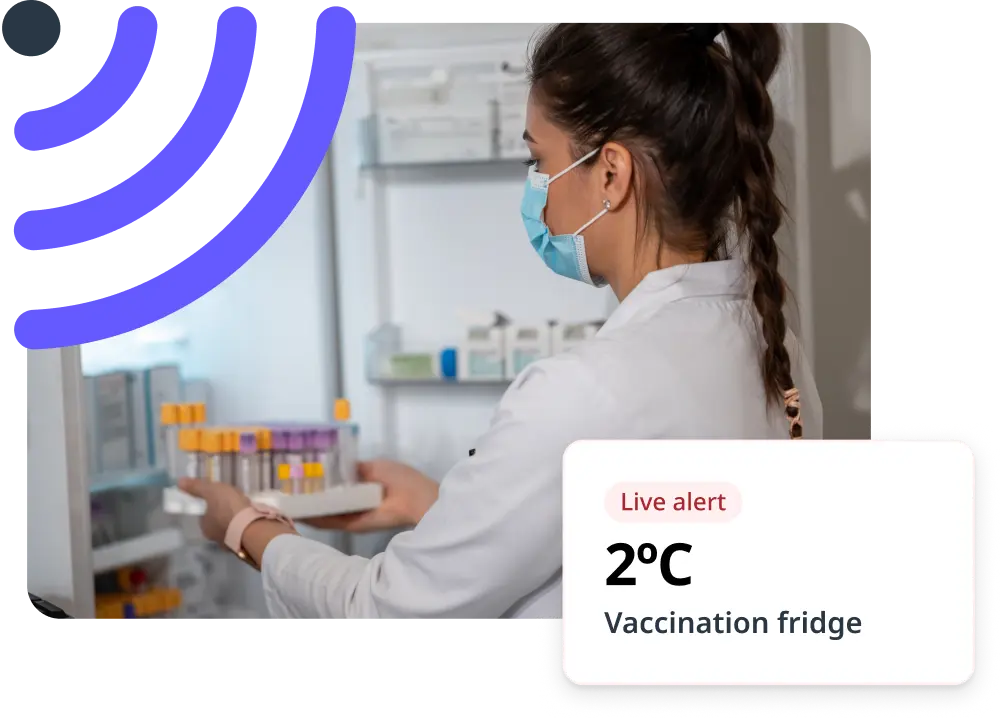
Sensors reduce manual checks and catch deviations earlier. When a fridge warms overnight, a connected probe can trigger an alert before product is compromised, rather than being discovered hours later.

Alerts only help if the response is built into the workflow. Good systems document who acknowledged the alert, what action they took, and whether the issue was verified as closed. That turns “alarm noise” into traceable corrective action.

Can digital HACCP software make audits easier?

Yes, because it keeps records searchable and complete. During an audit, teams can pull the exact date range, site, CCP, product, or line and export evidence in minutes.

Auditors also tend to trust clean data trails. Time stamps, user logs, version control for procedures, and recorded verification steps all help demonstrate control. It becomes easier to show not only that checks were done, but that deviations were handled correctly.

What should they watch for when implementing digital HACCP?

They should treat implementation as a process change, not a software install. If procedures are unclear, digitising them will only create faster confusion.

The rollout works best when they pilot one site or one line, adjust forms to match real workflows, and then expand. Training should focus on why each record exists, what “good data” looks like, and how corrective actions should be documented.

How do they choose the right digital HACCP software?

They should choose based on fit, not feature lists. The right platform matches their operation type, risk profile, and team capability, whether they run retail food service, manufacturing, or multi-site distribution.

Key checks include: how easy it is to build forms, how reporting works, whether it supports their CCPs, and whether support is responsive. They should also confirm data ownership, export options, and how the vendor handles backups and uptime.

Is digital HACCP software the future of compliance?

Yes, because regulators, customers, and internal QA teams increasingly expect faster evidence and stronger traceability. Digital records make it easier to prove control, learn from trends, and scale safely across sites.

The future is less about replacing paper and more about preventing failure. When monitoring, verification, and corrective actions become connected and visible, food safety shifts from “record keeping” to real-time risk management.

FAQs (Frequently Asked Questions)

What is digital HACCP software and how does it improve food safety compliance?

Digital HACCP software digitises HACCP plans and daily records, replacing paper logs and manual sign-offs with structured workflows, automatic prompts, and searchable evidence. It guides staff through the right checks at the right time, standardises data capture, and reduces errors, making compliance easier to prove and manage.

Why are food businesses transitioning from paper-based HACCP records to digital systems?

Paper HACCP records often suffer from missing, illegible, or backfilled entries, making audits and investigations challenging. Digital systems provide complete, time-stamped records that reveal patterns like recurring deviations, enabling quicker root cause resolution and reducing risks of waste, recalls, or failed audits.

Which types of HACCP records can be effectively digitised?

Most routine food safety records can be digitised without altering HACCP principles. These include CCP monitoring logs (e.g., cook temperatures, metal detection), temperature checks for cold rooms and freezers, calibration records, cleaning schedules, allergen controls, supplier approvals, corrective actions, and training sign-offs.
Digital HACCP Software: The Future of Food Safety Compliance

What key features should I look for in a digital HACCP software platform?

Essential features include configurable forms tailored to your processes, task scheduling with reminders and escalations, user permissions for data integrity, audit-ready reporting capabilities, offline mode for weak signal areas, intuitive user experience to prevent workarounds, and integrations with sensors or ERP systems for seamless data flow.

How do automated sensors and alerts enhance HACCP monitoring?

Automated sensors continuously monitor critical parameters like temperature and trigger real-time alerts if deviations occur. When integrated into workflows that document acknowledgment and corrective actions, these alerts help prevent product compromise by enabling faster responses and creating traceable evidence of issue resolution.

Can digital HACCP software simplify audit preparation and improve audit outcomes?

Yes. Digital HACCP platforms keep comprehensive, searchable records with time stamps and user logs. During audits, teams can quickly retrieve exact data by date range or CCP. Clean data trails with version control and recorded verification steps build auditor trust by demonstrating consistent control and proper handling of deviations.

Click here for about: Building a HACCP Program for Multi-Site Food Businesses
Building a HACCP Program for Multi-Site Food Businesses
Building a HACCP Program for Multi-Site Food Businesses

Multi-site food businesses often struggle because each location develops “local” methods over time. A strong program prevents drift by using shared standards, shared evidence, and site-specific risk checks.

What makes HACCP harder across multiple sites?

HACCP becomes harder because hazards, people, and processes vary by location even when products look identical. A fryer in one site, a different water supply in another, or different shift patterns can change risk.

The other challenge is proof. They must show consistent control everywhere, not just a good plan on paper at head office.

How should they structure governance for a multi-site HACCP program?

Organizations should implement a centralized haccp program while maintaining local accountability. Corporate teams define minimum standards, approve hazard analyses and CCP logic, and manage document version control within the haccp program framework.

Individual sites are responsible for on-the-ground execution. They conduct monitoring, implement corrective actions, perform local validations, and escalate any deviations. This approach ensures the haccp program remains consistent across the organization while accommodating site-specific operational realities.

What should be standardised across every site?

They should standardise the HACCP methodology, product and process definitions, hazard analysis criteria, CCP decision rules, critical limits, record formats, and training expectations.

They should also standardise supplier approval rules, allergen controls, sanitation program requirements, calibration rules, and internal audit checklists. These items are the backbone that prevents site-to-site variability from becoming uncontrolled risk.

Building a HACCP Program for Multi-Site Food Businesses

What can be site-specific without weakening the program?

Site-specific items should be limited to genuine differences such as equipment models, layout, utilities, local ingredient substitutions, local regulatory requirements, and staffing patterns.

They can also allow site-specific preventive maintenance schedules and cleaning instructions if outcomes meet the same standards. The key is that differences are documented, risk-assessed, and approved through change control.

How do they build one hazard analysis that still fits multiple locations?

They should create a master hazard analysis for each product family and process flow, then add a site risk addendum. The master covers common steps, hazards, and controls, while the addendum captures local differences.

This avoids rewriting HACCP plans for every site while still showing that each location’s real hazards were considered and controlled.

How do they choose CCPs and critical limits that work everywhere?

They should define CCPs only where control is essential and measurable, then set critical limits based on scientific or regulatory evidence. Those limits must be achievable at all sites, using the least capable approved equipment.

If one site cannot meet a limit reliably, they should fix the capability gap or redesign the process. They should not lower limits just to match the weakest location.

How should monitoring and corrective actions be designed for consistency?

They should use the same monitoring frequencies, definitions, and record fields across sites. Monitoring must be simple enough to do on busy shifts and specific enough to detect loss of control.

Corrective actions should include three parts: regain control, isolate affected product, and prevent recurrence. They should require documented root cause when deviations repeat.

What role do prerequisite programs play in multi-site HACCP?

Prerequisite programs carry much of the real risk control in multi-site operations. Strong sanitation, allergen management, pest control, maintenance, supplier control, and training reduce the number of CCPs needed.

They should treat prerequisite program failures as HACCP-relevant. If sanitation breaks down, for example, they should have clear triggers for escalation, intensified verification, and product risk assessment.

How should they manage documentation and version control across sites?

They should maintain a single controlled document system with role-based access and clear version history. Sites should never “edit their own copy” of HACCP plans outside the system.

They should also define required records, retention times, and review cycles. Central teams can review trends, but site leaders should review daily records quickly enough to catch problems before product ships.

How can they verify sites are actually following the plan?

They should use layered verification: supervisor checks, QA verification, calibration reviews, internal audits, and periodic corporate audits. Verification should focus on evidence, not opinions.

They should also review data for patterns such as frequent near-misses, repeated corrective actions, or sites that always record perfect results. Perfect data often signals weak checking.

How do they roll out HACCP training across multiple locations?

They should train by role, not by job title. Operators need practical monitoring and corrective action training, supervisors need decision-making and escalation training, and managers need accountability and resource planning.

They should also validate training with observation and short competency checks. A sign-in sheet is not proof that people can run the controls correctly.

How should they handle changes like new products, new equipment, or new sites?

They should run formal change control for anything that could affect hazards or control measures. That includes new suppliers, recipe changes, packaging changes, equipment swaps, layout changes, and staffing model changes.

For new sites, they should complete a gap assessment against the master program, then conduct a commissioning validation before full production. They should not assume “copy and paste” equals control.

What are the quickest warning signs their multi-site HACCP system is failing?

Common warning signs include inconsistent records across sites, repeated deviations without root cause closure, heavy dependence on one person, and audits that only check paperwork.

They should also watch for uncontrolled local workarounds, undocumented ingredient substitutions, and rising customer complaints. These are often symptoms of a program that exists centrally but not operationally.

What does a practical first 30-day plan look like?

They should start by mapping products, sites, and process families, then selecting one process to standardise first. Next, they should confirm prerequisite program minimums and create consistent record templates.

They should then perform site walk-throughs to capture true process flows and differences, and they should fix obvious capability gaps such as missing thermometers, poor calibration habits, or unclear allergen segregation. After that, they can finalise the master HACCP plan and site addenda and begin verification.

FAQs (Frequently Asked Questions)

Why is building a HACCP program across multiple sites primarily a coordination challenge?

Building a HACCP program across multiple sites is mainly a coordination problem because hazards, people, and processes vary by location even when products appear identical. Differences like equipment models, water supplies, or shift patterns can change risk. The safest approach is to standardise what must be consistent and control what can vary with clear limits and verification to prevent local method drift.

How should governance be structured for an effective multi-site HACCP program?

Governance should balance central oversight with local ownership. Central teams set minimum standards, approve hazards and CCP logic, and control document versions. Each site owns execution by completing monitoring, corrective actions, local validations, and escalating deviations. This structure ensures system consistency while accommodating real operational differences.

Building a HACCP Program for Multi-Site Food Businesses

What elements of a HACCP program must be standardised across all sites?

Key elements to standardise include the HACCP methodology, product and process definitions, hazard analysis criteria, CCP decision rules, critical limits, record formats, training expectations, supplier approval rules, allergen controls, sanitation requirements, calibration protocols, and internal audit checklists. These form the backbone that prevents uncontrolled risk variability between sites.

Which aspects of HACCP can be site-specific without compromising the overall program?

Site-specific variations should be limited to genuine differences such as equipment models, facility layout, utilities, local ingredient substitutions, regulatory requirements, staffing patterns, preventive maintenance schedules, and cleaning instructions—provided outcomes meet consistent standards. All differences must be documented, risk-assessed, and approved through formal change control.

How can one hazard analysis effectively address multiple locations in a multi-site HACCP program?

A master hazard analysis should be created for each product family and process flow covering common steps and hazards. Then a site-specific risk addendum captures local differences unique to each location. This approach avoids rewriting entire HACCP plans per site while demonstrating that each site’s specific hazards are identified and controlled appropriately.

What strategies ensure consistent monitoring and corrective actions across multiple HACCP sites?

Monitoring should use uniform frequencies, definitions, and record fields that are simple enough for busy shifts yet precise enough to detect loss of control. Corrective actions must include regaining control quickly, isolating affected products, preventing recurrence with documented root cause analysis for repeated deviations. Consistency in these processes supports reliable hazard control across all sites.

Click here for about: Digital HACCP Software: The Future of Food Safety Compliance